
Blog
What’s so loved about POGO Satellite Clinics?
One of the many things to love about the POGO Satellite Clinics is that each one is part of a networked, shared-care system. The system is a partnership between the five Ontario hospitals with a specialized childhood cancer program (tertiary hospital) and eight community hospitals in the province. They save families time and money in travel to the tertiary hospital by providing standardized childhood cancer care closer to the family’s home. And, when that happens, much-needed capacity is created in those tertiary hospitals. But, that’s not all! When asked to share what they love about the Clinics they manage, the team of POGO Satellite Clinic nurses shed light on what else they have in common.
End-of-treatment celebrations
For many families and patients, getting to the end of treatment is like letting out a long-held, painful breath. So, understandably, it can be a time of celebration, one that is marked in various ways across the network of POGO Satellite Clinics. There may be a bell to ring, a gong to sound, a jingle to sing, or a party where the patient receives a “certificate of completion.”
 “Ringing that end-of-treatment bell marks the moment in an extra-powerful and special way for the families,” says Kirsty Morelli of Scarborough Health Network, Centenary Hospital.
Deb Crann from Grand River Hospital can’t help but chuckle. “We are still trying to master our end-of-treatment jingle; we are clearly not music majors!”
At Windsor Regional Hospital, according to Ursula DeBono, “Our gong is a fantastic way to celebrate the end of treatment.”
Multidisciplinary healthcare providers who deliver care as a close-knit team
POGO Satellite Clinic care is provided with a range of healthcare providers on the team. While each Clinic is staffed differently, families can rest assured that every team member is committed to the best possible outcomes for their child.
“We have a close-knit team,” says Deb Crann. “I love our work family of registered nurses, a registered dietitian, Satellite lead pediatrician, child life specialist, welcoming receptionist and music therapist.”
 At Trillium Health Partners, Credit Valley Hospital, one way families and patients get to meet the diverse members of their team is through a Bitmoji board. “Each team member is represented by a caricature of themselves doing something fun,” says Jose Oliveria. “It’s a light-hearted way to engage families with our team-based approach to care,” adds Lindsay Lauer.
Amanda Gaudet, equally proud of her team’s efforts at Orillia Soldiers’ Memorial Hospital, says, “A smaller clinic allows us to have flexible hours to accommodate patients and to get them in and out faster; they can even come in on weekends!”
“We have an awesome, bilingual team,” says Sylvie Roberge at Northeast Cancer Centre, Health Sciences North, “and we really pull together for our Northern Ontario kids, who are simply the best.”
At Peterborough Regional Health Centre, Shay Cannon notes, “We get to know the kids and their families, like who likes to count before their port is accessed and who doesn’t. And we’ll follow a child’s 10-step checklist if that’s what they need us to do prior to a finger poke.”
Cheerful, fun-filled spaces
 Families spend countless hours over many months in hospitals. POGO Satellite Clinic teams go above and beyond to make treatment rooms and waiting areas as inviting as possible. You might find a treasure box, toys and games, electronics, outdoor patios and other creature comforts.
“We have special rooms for teens and a playroom with murals and comfortable furniture,” says Lisa Egan-Bates of Southlake Regional Health Centre.
Shay Cannon adds, “I love giving the kids canvas to paint pictures for the clinic room. They are so proud to have their paintings on the wall.”
“Besides our cheerful space, we also have a treasure box with special toys for kids to choose from after any visit or procedure,” says Ursula DeBono.
No child should ever experience a cancer diagnosis. When that happens, though, POGO Satellite Clinics, POGO Satellite Clinic nurses and the multidisciplinary teams they work with, and the affiliated tertiary hospital, work together to provide coordinated, standardized, shared care at the right time and place, with an extra special touch. Now that’s a lot to love!
Dr. Charmaine van Schaik Appointed to New Role of Vice-Chair, POGO Board of Directors
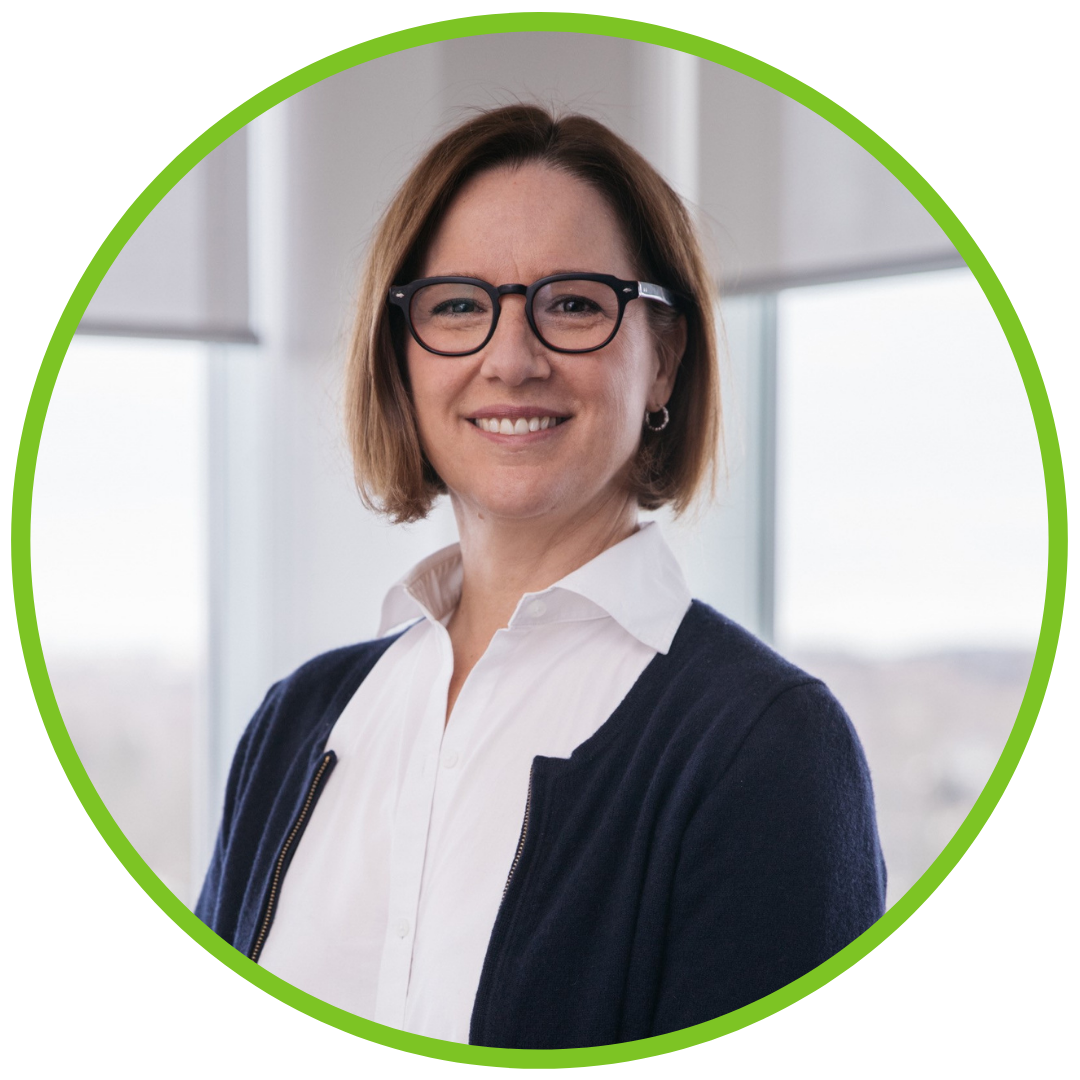 POGO is pleased to announce the appointment of Dr. Charmaine van Schaik to the new role of Vice-Chair of the POGO Board of Directors. Dr. van Schaik will work closely with James Scongack, POGO Board Chair, to advance POGO’s impact as a non-profit organization with charitable status that works in partnership to achieve the best childhood cancer care system for children, youth, their families and survivors in Ontario and beyond.
As Vice-Chair, Dr. van Schaik brings a skill set complementing that of the Board Chair and she will work with the Chair to carry out leadership duties, including representing POGO’s interests and mission in various settings.
“I’m very excited to step into this new role to work alongside James and to support the POGO Board of Directors in fulfilling our governance duties effectively and efficiently,” says Dr. van Schaik.
Dr. van Schaik has been a member of the POGO Board since 2014 and has contributed to several Board committees responsible for governance and philanthropy. She has been actively involved as a member of POGO’s Provincial AfterCare and Supportive Care Steering Committees, and numerous planning committees for POGO’s continuing education events for healthcare providers.
A general pediatrician, Dr. van Schaik was the Chief of Pediatrics at Southlake Regional Health Centre and the first Medical Director of the POGO Satellite Clinic at Southlake when it launched in 2009. She helped bring childhood cancer care closer to home for families in Southlake’s catchment area and pediatric oncologists to the community setting. Dr. van Schaik continues to provide childhood cancer care to children and families at Southlake and currently holds the titles of Active Staff, Co-Medical Lead COVID-19 Vaccination Committee; Physician Leader Quality & Patient Safety; and Physician Leader Maternal Child Program.
POGO’s Board and team congratulate Dr. van Schaik and look forward to her leadership in helping the Board fulfill its duties.
To learn more about how POGO actively champions childhood cancer care click here.
Dr. Mariana Silva Leaves a Legacy Gift to POGO

Dr. Mariana Silva (2nd from right) and family
Leaving a legacy in your will can help fund important long-term projects that will make a deep and meaningful impact on many people’s lives. The Silva family is feeling immense satisfaction knowing their mother, Dr. Mariana Silva, made POGO a beneficiary in her will and that her life’s work will continue.
“Our mother dedicated most of her adult life to advancing care for children with cancer,” says Tomas Silva. “It was her desire that the work she started in life would continue long into the future. It is comforting to know that through this gift, the impact she made as a committed pediatrician and passionate hematologist and oncologist will continue for years to come.”
Dr. Mariana Pradier Silva, 1958-2021
For more than three decades, Dr. Silva made a significant impact on children and youth with cancer, survivors of childhood cancer and their families in many ways, including through her participation on the POGO Board of Directors and POGO’s clinical initiatives across Ontario. A true champion of childhood cancer care, Dr. Silva was instrumental in the development and implementation of the POGO Provincial Pediatric Oncology AfterCare Program and was a key representative on several initiatives to improve equitable access to care for kids with cancer around the world.
Including POGO in your will
POGO’s mission is to achieve the best childhood cancer care system for children, youth, their families and survivors in Ontario and beyond. As a charitable organization, POGO relies on donations and government funding to run trusted programs and services, many of which have been adopted or modelled nationally and internationally across various areas of care. We are humbled that supporters like the Silva family are now taking their contributions one step further by including POGO in their estate plans and wills.
When to start planning legacy giving
Experts say it’s a good idea to update your will after any significant life event, such as a birth, divorce, death or change to your financial status. Without estate planning, you will not be able to influence how, when and to whom your assets will be distributed after you die. Creating a will is your opportunity to leave a legacy to beloved family and friends and the causes you have respected and supported during your life.
Leaving a legacy gift to POGO, when just a small percentage can have a significant impact, is an invaluable way to make an ongoing and meaningful contribution to childhood cancer care. Charitable bequests also have tax benefits for your estate, which ultimately help other beneficiaries.
If you’re interested in learning more about leaving a legacy gift to POGO, contact us at legacygiving@pogo.ca.
Leave a Legacy Month (May) is a community-based public awareness campaign that encourages people to leave a gift through their will or another planned giving vehicle to a charity or cause that is meaningful to them.
How Childhood Cancer Affects the Mental Health of Children and their Families
In a podcast for Catch Psychotherapy, POGO Interlink Nurse Tina Hamalainen discusses the psychosocial impacts of a childhood cancer diagnosis on the child, and their family and school community. Here are some highlights, published with permission of Catch Psychotherapy.
The Impacts POGO Interlink Nurses Witness
Impact on Parents
Cancer means different things to different people and it can be very stressful to hear those words about your own child; it’s one of the biggest stressors that a family ever experiences. And along with that are many emotions and feelings which include fear of losing their child, sadness, anxiety, depression, fear of recurrence. Suddenly their lives have turned upside down. Anything normal has changed; families are in a situation that they didn’t prepare for, including potentially stopping work to care for their ill child.
Impact on Siblings
Siblings experience a lot of the same emotions as the ill child or their parent—the same fear, worry, anger, guilt. It’s a very common theme for siblings to feel neglected or abandoned; and then they feel guilty for feeling that way. There’re so many mixed emotions that these children and adolescents are trying to process.
Impact on the Child/Youth with Cancer
Kids and adolescents experience social isolation. They’re suddenly not able to attend school, for example. School is their norm, it’s their place to be in society. And oftentimes, especially at the early stages of diagnosis, in-person school is not possible.
Depending on the type of cancer, if they had a brain tumour for example, radiation therapy can have impacts on their memory or their cognitive functioning, where they might need academic accommodations.
Related Content: Finding Strength by Embracing my Vulnerability
Impact of Schooling
Despite a cancer diagnosis, or maybe because of it, for some families, the normalcy of school allows them to focus on the future—future goals and academic achievements. The family might have concerns about academic success. Parents worry about how their child could possibly continue going to school while on treatment. The child can feel great stress about not seeing their friends every day and being forgotten or missing out, there is anxiety about keeping up academically and graduating high school with their peers.
Impact on the School Community
For the teacher, it might be their first experience of having a child in their classroom with cancer. And at that same time, they’re being bombarded with questions from their other students about this child’s diagnosis and they do not have the experience/knowledge to support their students.
Impact of Recovery
We can underestimate emotional recovery which can linger longer than physical recovery with fears of relapse or a secondary cancer, and adjusting to a “new normal.”
How POGO Interlink Nurses Support the Family’s Psychosocial Needs
Support for the School Community
- They encourage classmates to think about how they can support their friend in treatment over the weeks and months to come; what things would they do or not do to welcome them back to school?
- They encourage classmates to stay connected by video calling their friend, or placing a drop box in the classroom to collect letters, cards and jokes they’ve written or pictures they have drawn.
- They provide classmates, teachers and siblings’ classes with education and information about the child’s cancer, and its treatment and impact. Being able to educate not only the teachers, but classmates as well—providing information in preparation for that student to come back—is really important, and it ends up helping the ill child.
Support for Learning Needs
- They facilitate home instruction when the child’s treatment keeps them out of school.
- They work together with families on a plan to re-integrate the child to school.
- They work with the child and school administration to set goals for earning credits and graduating, exploring options like summer school and online courses.
- They help advocate for supports for children and adolescents who need accommodations.
Support for the Family Unit
- They do home visits to see firsthand what the family is going through.
- They provide family-centred care that instills hope by trying to address the needs of every member of the family unit.
- They connect students experiencing late effects that hinder their academic success to the POGO School and Work Transitions Program, where POGO Counsellors help them get the support they need at various academic levels or to make the transition from high school to appropriate work.
The above tips were published with permission of Catch Psychotherapy. Listen to the full 30-minute podcast with POGO Interlink Nurse Tina Hamalainen and Janet Morrison of Catch Psychotherapy here: Episode 16 | How Childhood Cancer Affects the Mental Health of Children and Their Families w/ Tina Hamalainen
Survivor’s Childhood Cancer Experience Inspires her Career in Pediatric Oncology Nursing
Kafia Ibrahim is a registered nurse whose personal experience as a two-time childhood cancer survivor inspired her career path. She works in the haematology/oncology unit at The Hospital for Sick Children (SickKids) in Toronto and attributes some of her success to touchpoints she had with a POGO Interlink Nurse while in treatment and a POGO Counsellor after treatment.

Kafia was diagnosed with rhabdomyosarcoma, a soft tissue cancer, when she was eight years old. Her treatment involved chemotherapy and radiation. At 15, Kafia relapsed and faced a second diagnosis of another soft tissue cancer. This time, surgery and chemo were part of her treatment protocol.
“I was too young to remember the details,” Kafia says “but I know that from the time I was diagnosed, my family had very positive experiences with Tina, my POGO Interlink Nurse. I attended Campfire Circle (formerly Camp Ooch and Camp Trillium) because of her and made lifelong friends, and she came to our home and connected us to many community and financial supports.”
Related Content: Surviving Childhood Cancer: From Confidence Buster to Confidence Builder
After her treatment ended, Kafia faced many challenges pursuing her academic and career goals.
“Those challenges were a result of the side effects of treatment,” she explains. “With nothing to control my pain and the resulting negative impact this had on my mental health, it took me longer than usual to finish high school. In Grade 10, I went from online school, to alternative school and back online. I utilized many of the services of the POGO School and Work Transitions Program during this time. When I was finally able to finish high school, my POGO Counsellor, Lucie, helped me with my university applications. She also notified me of scholarships that I would be eligible to apply for, and I received one from Childhood Cancer Canada. My POGO Counsellor also helped me get extra time for tests at school, something I didn’t even know was possible. She helped me know my rights and build my confidence to ask for what I needed. I don’t know if I would have done as well as I did if it were not for my POGO Counsellor.”
Wonderful nurses made an impact
While Kafia’s experiences through her cancer journey were not all great, the positive ones led to her career decision.
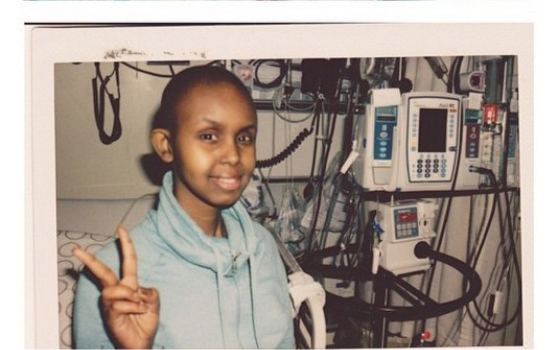
“I have had my fair share of experience with healthcare providers, especially nurses,” says Kafia. “I’ve experienced the good, the bad and the ugly. The amount of influence that nurses can have on a patient’s experience with their disease is more than one would expect. I still remember the wonderful nurses that helped get me through some of my hardest days. Whether it was singing my favourite song with me, celebrating my 16th birthday when I was in-patient or providing me with a shoulder to cry on when things got too much. I want to be able to provide this personal connection for another child and their family that may be going through a similar situation.”
Related Content: Returning to School after a Cancer Diagnosis? Ask for Help!
Gaining invaluable on-the-job experience
From 2019 to 2020, while in her nursing program, Kafia had the opportunity to work as a clinical extern at SickKids. In this mentored nursing assistant role in the haematology/oncology unit, she gained invaluable experience. She got to know families and found many ways to offer them respite, like staying at their child’s beside so they could take a coffee break. Remembering how bored she was as a patient, Kafia made it a point to entertain her patients. She learned the importance of building trusted relationships. Also, working in the hospital where she had received treatment was a way to see if any underlying or unresolved emotions would surface that might get in the way of her career success. Thankfully, none did!
“This job allows me to meet the bravest people. I feel like my experience with cancer allows me to see the bigger picture when providing care to patients and their families. My career plans include becoming a POGO Interlink Nurse in 3 to 5 years and finding ways to better support the transition from pediatric to adult care for childhood cancer patients. When I see the impact that my care can have on patients, it motivates me to work harder.”

Kafia Ibrahim is a registered nurse at The Hospital for Sick Children. She earned her Bachelor of Science in Nursing from the Seneca/York Collaborative Program. She is a two-time childhood cancer survivor. Her POGO Interlink Nurse and POGO Counsellor inspired and supported her career goals.