POGO

  • Staff List
  • Contact Us

Main menu

Skip to primary content
Skip to secondary content
  • About Us
    • Our Mission and Vision
    • Childhood Cancer Care Plan
    • POGO Recognition Awards
    • POGO Land Acknowledgement
    • Diversity, Equity, Inclusion
    • Our Board
    • Our Partners
    • Our Donors
    • Privacy
    • Accessibility
    • Reports
    • Newsroom
    • Job Opportunities
    • Senior Leadership Team
  • Programs & Support
    • Patient Care Programs
    • Financial Assistance
    • Survivor Care
    • Cancer Resources
    • Inspiring Stories
    • Clinical and Program Advisory Committees
  • Education
    • POGO Multidisciplinary Symposium on Childhood Cancer
    • POGO Virtual Education
    • POGO AfterCare Education Day
    • POGO Satellite Education Day
    • Resources to Support Indigenous Families
  • Healthcare Practice
    • Pediatric Oncology Nursing
    • Clinical Practice Guidelines
    • POGO Satellite Manual
    • Pediatric Palliative Care
  • Research & Data
    • 2020 POGO Surveillance Report
    • POGO Research Unit
    • POGO Databases
    • Data Reports
    • Data Requests
  • Get Involved
    • Pajamas and Pancakes
    • Birthday Parties for POGO
    • Events
    • Volunteer
  • Ways to Give
    • Donate
    • Monthly Donations
    • Gifts of Stock and Securities
    • Become a Corporate Partner
    • Gifts in Honour/Memory
    • Legacy Gifts
    • Shop Online/Earn Cash Back

Blog

POGO > Blog > Transitions
[sharethis]

Transitions


Post navigation

← Older posts
Newer posts →

Gaming Through Cancer Without Cheat Codes

Posted on August 26, 2024 by Jamie Irvine

Author: Jason Truong

It started out as a lighthearted December night. A short break to relax before I prepared for another day of school. On my laptop was an old video game that me and my sister were playing. Then the phone rang. The call from my doctor was devastating.

“Throughout my life video games have helped me when times were rough…“

In the dead of the night, my dad and I were on our way, stepping through puddles of rain in a dark alley. I went from place to place, and after trials and tribulations, I ended up in the emergency room at the Children’s Hospital in London, Ontario, hooked up to an IV and watching old cartoons on Nickelodeon. I cannot clearly recall the series of events—it was as if I was in a daze the whole night. In the end, I was diagnosed with chronic myelogenous leukemia (CML), a relatively rare cancer in children. I was 14 years old.

The first days of my hospital stay were without rest. However, this all changed when a support program at the hospital called Youth CoRE gave me the opportunity to play Nintendo Switch games with an opponent. With this, my days seemed brighter and flew by.

After returning home from 10 days in hospital, I went back to my daily routine of online school. I fondly remember finishing my homework as soon as I could to boot up my laptop, and diving into an exciting game. The shining highlight of my first and second years of high school was the immersive experience of those games, worlds vibrant and inexhaustibly explorable far and wide, together with unique storytelling, music and art direction.

As time went on, online classes became harder to bear. One day, I just couldn’t see the point anymore. For my 11th year, I returned to in-person learning. My first day back at school was disheartening. I knew nobody. I felt like I didn’t even know myself. I lost sleep and I noticed I was rarely playing video games, if at all.

Eventually, I tried to make time to start playing again. My first title was NieR:Automata, which I had been anticipating for many years. This game’s narrative explores philosophical themes within a narrow context: the search for the meaning of existence, the reason to keep on fighting, and the subject of identity loss, all amidst a war and chaos. It resonated with me deeply. Rediscovering my passion for video games allowed me to reconnect and have fun with my friends, even as all of us got busier.

Throughout my life video games have helped me when times were rough; not only by playing them, but I have also been creating my own since the age of nine. Inspired by the dedication of game developers to their work, I have always thought, “I could be like them someday.”

After finishing a computer programming course in my final year of high school, I decided to take it on as my chosen field of study. In fall 2024, I am bound to start Computer Programming at St. Clair College to help widen my range of programming knowledge. For those who may be living through tough times, I want to inspire them to create, like many games and developers have inspired me.

Bio: Jason Truong is an 18-year-old CML survivor, still undergoing treatment. Here is a game that he created, inspired by Mario. Jason is also interested in sci-fi, anime and wildlife, including sharks and gentoo penguins.

  • Castle Crashers
  • Chocobo Racing
  • Dragon Quest 11
  • Final Fantasy XIII
  • Muse Dash
  • NieR:Automata
  • Pokémon Black and White
  • Resident Evil 4
  • Scribblenauts
  • Undertale
  • Yakuza 0
  • Yakuza Kiwami (much less explicit, equally violent as first)
Posted in Transitions | Tagged The POGO School and Work Transitions Program, transition

My Fertility Journey

Posted on August 26, 2024 by Jamie Irvine

Author: Cassandra Watson

Living with a chronic condition can feel like riding a never-ending roller coaster—minus the fun parts, of course. My journey started with a spinal tumour diagnosis in 2009 (myxopapillary ependymoma, if you are into those fancy medical terms) which led to several surgeries and radiation therapy. Unfortunately, I ended up with chronic pain to manage, but I have to say these treatments made a significant difference. While this experience wasn’t exactly a walk in the park, it motivated me to advocate for others facing similar challenges, especially around fertility preservation. I’ll dive into that part soon!

Photo above: Left: Cassandra after first spinal surgery. Right: Cassandra now.

“Could my past medical experiences have an impact on my ability to have biological children in the future?”

Transitioning from pediatric to adult care has been quite a journey, and it is still challenging at times. I went from having a dedicated team supporting me in every aspect of my life to feeling like I was navigating my health on my own. I was familiar with Princess Margaret Cancer Centre from my radiation treatment, but the whole experience was pretty overwhelming. I made sure to ask my POGO Aftercare Clinic Nurse lots of questions, everything from learning how to check for lumps in my breasts? to understanding the potential impact of my past treatments on my body. One particularly important question I had was about my fertility: Could my past medical experiences have an impact on my ability to have biological children in the future?

That single question changed my life.

“The emotional toll is substantial, especially since, despite all my efforts, there is no guarantee of success.”

Left photo: The daily medication injections for egg-freezing process     

I learned that my AMH (anti-müllerian hormone) levels were low, indicating a low egg count, which led me to Mount Sinai Hospital’s fertility clinic. At 22 years old, the news that I didn’t have much time was a shock. I had to weigh my options: have a child soon, freeze my eggs, or consider alternatives like egg donation or adoption. In the end, I chose egg freezing, which significantly shifted my life plans. The treatments were tough and the costs made things even more complicated. The emotional toll is substantial, especially since, despite all my efforts, there is no guarantee of success.

My radiation treatment affected my fertility, which is a topic that doesn’t always get the attention it deserves. While fertility preservation is starting to come up more frequently in discussions with younger patients, it wasn’t something that was brought up in my discussions with my health team. I feel this gap in communication and resources is an important issue that deserves more attention.

Navigating my fertility journey has been quite an eye-opening experience. It is understandable that when you’re focused on managing an illness, fertility can sometimes take a back seat. But for many, the ability to have children is a big deal. It can be frustrating to miss out on preservation opportunities simply because of a lack of information. It feels a lot like missing the boat. And who wants to miss the boat?

These experiences have inspired me to become a voice for others in similar situations. Advocacy goes beyond just pushing for medical advancements; it is also about making sure patients have the information and support they need to make informed choices about their futures. By sharing my story at events like the 2024 POGO AfterCare Education Day and through this article, I hope to encourage others to ask the right questions, seek the information they need and stand up for their own needs. If there is one lesson I have taken away, it is that you sometimes must be your own best advocate.

Recognizing that my experiences can help others has truly changed how I view my health challenges, seeing them not just as a burden, but as opportunities to make a positive impact in the community. Through advocacy, I aim to bridge the gaps in care and ensure that the next generation of patients has access to comprehensive support, particularly when it comes to fertility awareness. As I continue on this advocacy journey, I am genuinely excited to see what the future holds. My journey has shown me that while medical treatments are crucial, so is the support for the emotional and future aspects of life, like fertility. As health care continues to advance, let’s make sure to include these important conversations, making sure every child has the chance to lead a fulfilling life, both during and after treatment.

Posted in Transitions | Tagged The POGO School and Work Transitions Program, transition

Creative Corner with Cartoonist Erica

Posted on August 26, 2024 by Jamie Irvine

Author: Erica DiVincenzo
Diagnosis: Ewing’s Sarcoma (right arm).

I am a cartoonist. This is how I see the world in my mind. This is how I see people and animals. As early as Kindergarten, almost any attempt I made at art appeared as cartoons. This tendency became more obvious when I was 7 and spent a year at McMaster Children’s Hospital for cancer treatment. To make the time pass, I would draw. Almost always cartoons. I am very thankful that the doctors saved my drawing arm, which had bone cancer in it. I am still making cartoons every day and finding unique ways to use them in my career as an artist. Cartoons bring a lot of humour and joy to life.

Posted in Transitions | Tagged The POGO School and Work Transitions Program, transition

Navigating Ontario’s Accessibility Act as a Childhood Cancer Survivor

Posted on August 26, 2024 by Jamie Irvine

This article has been adapted from an original submission from Phillip McCorkell

As a childhood cancer survivor, I often think about the distinction between being “disabled” and living with a disability. Personally, I see myself as someone with a disability rather than being defined by it. My own journey involves various ailments and impairments resulting from treatments, and while some of us might use assistive devices like hearing aids, canes, prosthetics, walkers, or wheelchairs, others face invisible disabilities.

Regardless of whether a disability is visible or not, many of us encounter significant barriers and discrimination in everyday life—be it in customer service, access to information, employment, transportation, or even within natural and constructed environments. Often, these barriers stem from a lack of adherence to The Accessibility for Ontarians with Disabilities Act (AODA) of 2005. It’s important to remember that it isn’t simply about visual appearance; a brief scan doesn’t ensure adherence to the “Customer Service Standard” of the legislation.

I’ve always had an interest in public transit, so, I’ll use that as an example:

Imagine a transit operator shouting at you to “use the back door!” While it’s generally advisable for passengers to use the back door to facilitate smoother boarding, those with disabilities should have the option to use the front door if needed. Disabilities aren’t always visible, and drivers should be cautious not to judge based on the presence of assistive devices alone. After all, the devices are just tools; the person’s disability is what matters.

Our experiences with accessibility can vary widely, and I encourage you to reflect on your own encounters with barriers and challenges. If you’re not yet familiar with The Ontario Human Rights Code and The Accessibility for Ontarians with Disabilities Act, 2005, I strongly recommend taking the time to review these important pieces of legislation.

Posted in Transitions | Tagged The POGO School and Work Transitions Program, transition

Not so Alone After all

Posted on August 26, 2024 by Jamie Irvine

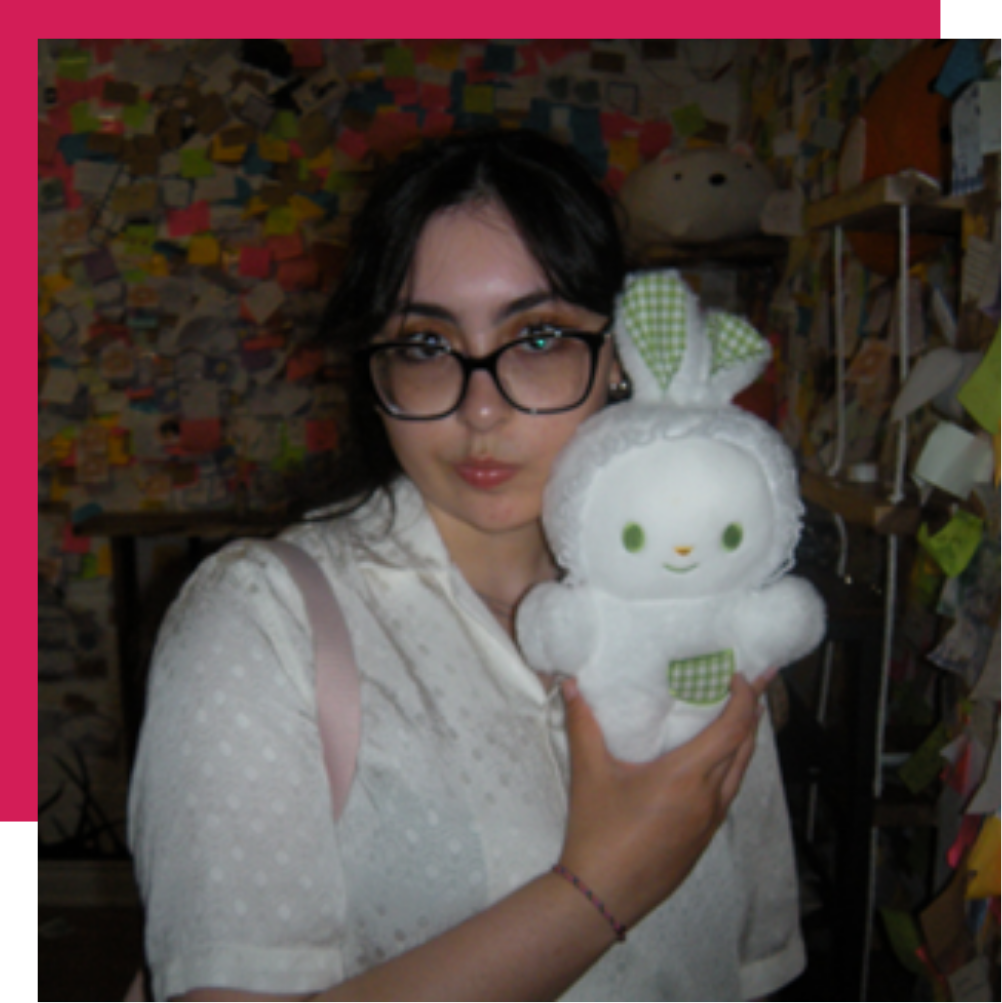
Author: Sara Payne

The future can be terrifying, but planning for mine gave me hope. When I got sick, I tried to take it one day at a time because I quickly learned how unpredictable life can be. However, I still planned for my future: graduate high school, go to college, become a paramedic and be happy. I never knew if I was going to achieve those things, but holding onto that picture in my mind helped me a lot.

When I was in hospital, anytime I felt like giving up I would look outside and see my future self in an ambulance, helping others. I was healthy and happy in my uniform. I would also envision myself in my future apartment, decorated the way I want it and my cat lying by the window enjoying some sun.

There have been times I thought I wasn’t going to be able to achieve my dream. But knowing how badly I wanted it to become a reality made me work that much harder. I wasn’t going to let cancer take this away from me. One of my favourite quotes is, “You want it because your future self already has it.” It gives me motivation to work hard and keep going.

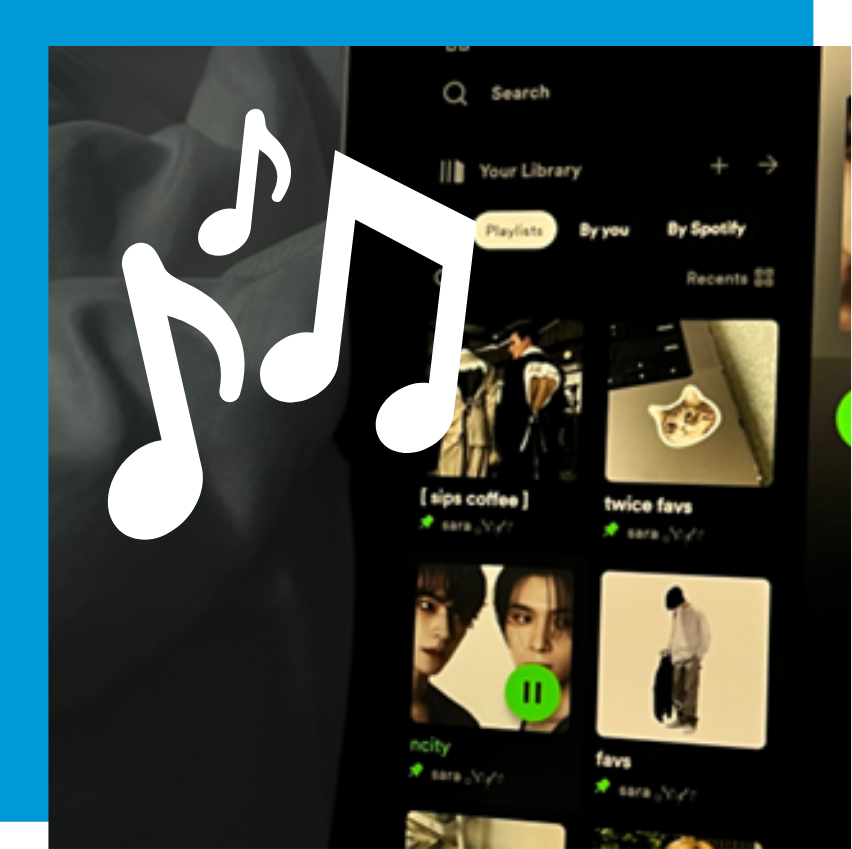
Music was another thing I held on to when I was sick. Music and lyrics are like a story that can be interpreted however you want and provide an escape. One song I regularly listen to nowadays is WITHOUT YOU by NCT U. It’s about feeling alone and isolated, but it also shows that all it takes is one person to turn your life around and help you see better days. It makes me think of my friends who never left my side when I got sick and my mom who was with me 24/7.

I have a lot of good memories with my mom in the hospital. I also met some amazing people and even made some friends for life. Connecting with teens my age who went through the same thing I did and hearing their stories of survival helped me feel more at ease.

Regardless of what someone is dealing with, I think everyone has one thing they can hold on to even if they may not realize it. Maybe it’s a feeling, or a person or a small thing you do daily.

It can be hard to figure out what it is because our brain can get so filled with the stresses in life.

I think I’m now at a point where I’ve learned to enjoy my own company. I have a few solid friendships I wouldn’t trade for the world. I have good relationships with my cousins and even when I am physically alone, I don’t feel lonely.

Having cancer, and even being in remission, is such an isolating and lonely experience sometimes, but getting lost in daydreams about my future and listening to music makes me feel less lonely. I truly hope everyone has that one thing to comfort them and bring them joy, even if it’s for just 10 minutes a day. I can’t say for sure things will get easier, but I think it’s still worth it.

Posted in Transitions | Tagged The POGO School and Work Transitions Program, transition

Post navigation

← Older posts
Newer posts →

Donate

Blog

Education Portal
Survivor Conference
All Categories

Categories

Newsletter Sign-Up

  Please leave this field empty
  

@POGO4Kids

Twitter feed is not available at the moment.

Follow @POGO4Kids

Quick Links

  • For Professionals
    • Read Cancer Care Plan
    • Review our Guidelines
    • Request Research Data
  • Families & Kids
    • Get POGO AfterCare
    • Connect with a POGO Nurse
    • Get Care Closer to Home
  • For Survivors
    • Find Local Resources
    • Set Goals for your Future
    • Educate Yourself
  • Get Involved
    • Host an Event for POGO
    • Volunteer with POGO
    • Partner with POGO
  • About Us
    • Our Mission and Vision
    • Childhood Cancer Care Plan
    • POGO Recognition Awards
    • POGO Land Acknowledgement
    • Diversity, Equity, Inclusion
    • Our Board
    • Our Partners
    • Our Donors
    • Privacy
    • Accessibility
    • Reports
    • Newsroom
    • Job Opportunities
    • Senior Leadership Team
  • Programs & Support
    • Patient Care Programs
    • Financial Assistance
    • Survivor Care
    • Cancer Resources
    • Inspiring Stories
    • Clinical and Program Advisory Committees
  • Education
    • POGO Multidisciplinary Symposium on Childhood Cancer
    • POGO Virtual Education
    • POGO AfterCare Education Day
    • POGO Satellite Education Day
    • Resources to Support Indigenous Families
  • Healthcare Practice
    • Pediatric Oncology Nursing
    • Clinical Practice Guidelines
    • POGO Satellite Manual
    • Pediatric Palliative Care
  • Research & Data
    • 2020 POGO Surveillance Report
    • POGO Research Unit
    • POGO Databases
    • Data Reports
    • Data Requests
  • Get Involved
    • Pajamas and Pancakes
    • Birthday Parties for POGO
    • Events
    • Volunteer
  • Ways to Give
    • Donate
    • Monthly Donations
    • Gifts of Stock and Securities
    • Become a Corporate Partner
    • Gifts in Honour/Memory
    • Legacy Gifts
    • Shop Online/Earn Cash Back

©2022 Pediatric Oncology Group of Ontario

480 University Avenue, Suite 1014 | Toronto, Ontario, M5G 1V2, Canada | Charitable Registration Number: 871067245RR0001 |
1-855-FOR POGO (367-7646) | Contact Us | Website Privacy Policy | Website Disclaimer | Satellite Manual Disclaimer |