
Blog
How Jules’s Stomachache Led to Childhood Cancer Care at a POGO Satellite Clinic

Our daughter Juliana, or Jules as we call her, seemed perfectly fine until one day at the park, she suddenly doubled over in pain while running. She lay with me for about 15 minutes, crying and telling me her tummy hurt. Later that night, I couldn’t shake the feeling that something was off, so we went to the emergency room where they ran a few tests and set an appointment for an ultrasound and x-ray the next day. I was worried it might be her appendix.
It was early in the pandemic and my husband, Tom, wasn’t allowed to come with us to the appointment. Jules seemed fine—full of energy, even jumping around in the room. But when the radiologist asked if anyone in the parking lot was waiting for me, my heart sank. They asked Jules to go colour at the nurses’ station. I got Tom on speakerphone, and then they told us—our little girl had a growth on her kidney. They said it was most likely a Wilms tumour, which was later confirmed. We were immediately referred to SickKids in Toronto. I was told to return to our home in Georgetown, pack a bag, and get to the hospital for Jules to be admitted and wait for the next steps.
We quickly arranged for my parents to take care of our other two children, James and Emma, while we headed to Toronto. We met with the surgeon two days later, and three days after that, Jules was in surgery to remove the tumour along with one of her kidneys and some lymph nodes.
After the surgery, Jules started weekly chemotherapy and a few days of radiation treatment. Once settled into her chemotherapy regimen, our oncologist suggested we continue her treatment closer to home at the POGO Satellite Clinic at Credit Valley Hospital. This meant we only needed to return to Toronto every three weeks. At first, we were nervous about the change. But the oncologist reassured us that we would love the POGO Satellite Clinic—and we did.
It wasn’t just about being closer to home, though that made a massive difference for our family. The POGO Satellite Clinic became a place where we felt supported and cared for. The staff—especially Jose, Lindsay and Alex—became like family. They were always willing to do whatever was needed, including staying late when Jules had a fever. They even rescheduled one of her treatments so she could start Senior Kindergarten on the first day with her classmates. That small gesture meant the world to her.
POGO’s support went beyond medical care. Our POGO Interlink Nurse offered to talk to Jules’s class about her cancer. Ultimately, they arranged a virtual meeting with her school administrators and teachers to discuss how to best support her, including helping with sunscreen since chemotherapy made her more sensitive to the sun.
Jules is doing well today. She loves school, playing with her friends and Taylor Swift. Her check-ups have stretched from every three months to every six; eventually, they’ll be yearly. She will be monitored for life at a POGO AfterCare Clinic. We’re grateful every day for POGO’s support. They turned a terrifying experience into something more manageable, always making sure we felt supported along the way.
Victoria Hagens Joins POGO Team as Director of Strategy

Victoria Hagens brings extensive experience in healthcare to the new and pivotal role of Director of Strategy, Programs and Partnerships. As a member of POGO’s Senior Leadership Team, Victoria will have strategic oversight for POGO strategy and programs, and responsibility for deepening relationships with partners. Her leadership of Ontario’s new five-year Childhood Cancer Care Plan will include managing, measuring and monitoring the achievement of strategic priorities.
Victoria has worked in Ontario’s healthcare system since 2008, in the areas of strategy, program implementation and system performance. Most recently, she served as a Senior Advisor at Ontario Health, Interim Director at the Juravinski Cancer Centre in Hamilton, and as a consultant with POGO. Prior to her freelance work, Victoria spent 14 years at Cancer Care Ontario, collaborating closely with Regional Cancer Programs and provincial clinical programs. As Group Manager, Regional Programs and Performance Management, she led a high-performing team in supporting implementation of provincial initiatives and local quality improvement efforts. She earned a Master of Arts in Social Anthropology from Dalhousie University.
“I am honoured and excited to be part of an incredible group of smart, dedicated, and collaborative people who demonstrate every day how creativity and partnership can help drive meaningful change,” she says. “I look forward to working with childhood cancer care teams and partners to make a lasting impact for children, youth and families.”
POGO Welcomes Dr. Donna Johnston as New Medical Director

After a comprehensive recruitment, POGO welcomes Dr. Donna Johnston as the incoming Medical Director, starting Monday, March 3rd.
Reporting to the POGO Board of Directors, the Medical Director helms the overall strategic clinical leadership across POGO’s programs and portfolios, and in partnership with POGO’s CEO, Lauren Ettin, is responsible for the achievement of POGO’s vision and mission, identifying strategic and transformational opportunities to advance childhood cancer care in Ontario.
Donna will continue her clinical role at CHEO, where she has worked as a pediatric oncologist since 2001. From 2012 – 2024 she was Chief of Pediatric Hematology/Oncology and, in that role, served as a member of the POGO Board. In 2021, she was appointed as Vice-Chair, Clinical Operations of the hospital’s Department of Pediatrics.
Donna is a full professor at the University of Ottawa; a Senior Scientist at the CHEO Research Institute; and the author of over 200 peer-reviewed publications, several book chapters and has presented her work at many national and international conferences.
Donna shares her passion for advancing the field of pediatric oncology avidly, through her leadership contributions to such organizations as the International Society of Paediatric Oncology (SIOP), the Royal College of Physicians and Surgeons of Canada, Ronald McDonald House in Ottawa, among others.
She says that “Since joining the POGO Board in 2012, it’s been my dream to be the Medical Director – a role that is pivotal in ensuring the best care for our childhood cancer patients, survivors, and their families. I look forward to joining the exceptional POGO team, to work in partnership with Lauren, and to be part of the work as leaders in childhood cancer care, provincially, nationally and internationally.”
Congratulations to Dr. Donna Johnston! We have no doubt that in her new role she will continue to make exceptional contributions to the childhood cancer community in Ontario and beyond.
A message from James Scongack, Chair, POGO Board of Directors and Dr. Charmaine van Schaik, Vice-Chair, POGO Board of Directors
Bruce Power and supplier partners donate $100,000 to Pediatric Oncology Group of Ontario
Originally published on the Bruce Power website, September 25, 2024

Bruce Power and its supplier partners continue to support those impacted by childhood cancer by combining to donate $100,000 to the Pediatric Oncology Group of Ontario (POGO).
Bruce Power and supplier donations enable POGO to continue to build the best childhood cancer research and care systems for impacted youth and their families. POGO programs include financial assistance for families in need, transitions counselling and much needed continued research in the field.
“Through the generous commitment of Bruce Power and its Supplier Partners, we are making a meaningful difference in the childhood cancer community,” said Shannon Caskey, POGO’s Chief Development Officer. “Their investment enables us to extend our reach, innovate, and drive programs and services that benefit patients, survivors, families, and health care professionals throughout Ontario.”
Pat Dalzell, Bruce Power’s Vice-President of Corporate Affairs and Market Development, said the company and its partners are happy to be able to help.
“We are committed to supporting POGO with its impressive cancer care efforts. With cancer rates rising worldwide and its devastating impact on children and their families, we are proud to support an organization that provides impacted Ontario families with the care and comfort they need,” Dalzell said.
Bruce Power and its employees are also proud of their role as a global supplier of medical isotopes, which are used in various forms of cancer treatment and the sterilization of medical equipment.
About Bruce Power
Bruce Power is an electricity company based in Bruce County, Saugeen Ojibway Nation Territory, Ontario. We are powered by our people. Our 4,200 employees are the foundation of our accomplishments and are proud of the role they play in safely delivering clean, reliable nuclear power to families and businesses across the province and cancer-fighting medical isotopes around the world.
From Survivor to Researcher: Exploring Life After Childhood Cancer
Interviewer: Rachel Martin, POGO Counsellor
Interviewee: Josh McGonegal, PhD candidate, childhood cancer survivor
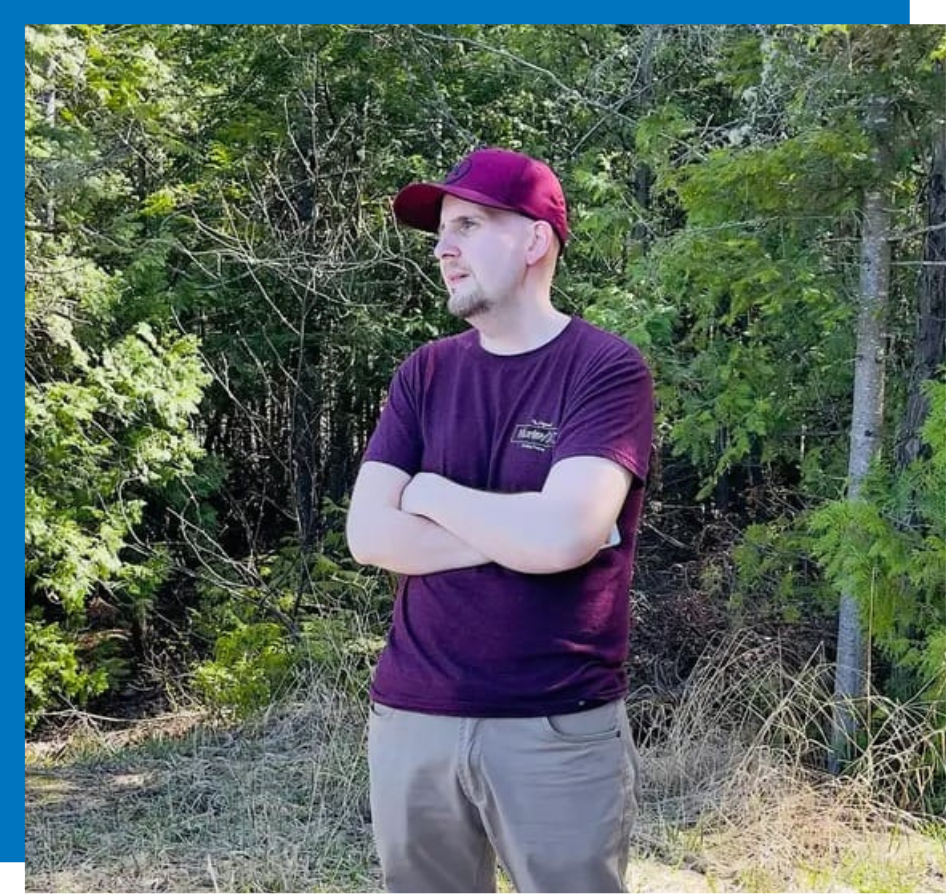
Written from the perspective of interviewer Rachel Martin
When I think of research, I think of numbers and long-winded articles written in a language that is difficult to understand. For Josh McGonegal, research has become something much more: a way to find meaning, connection with others, and hope for the future.
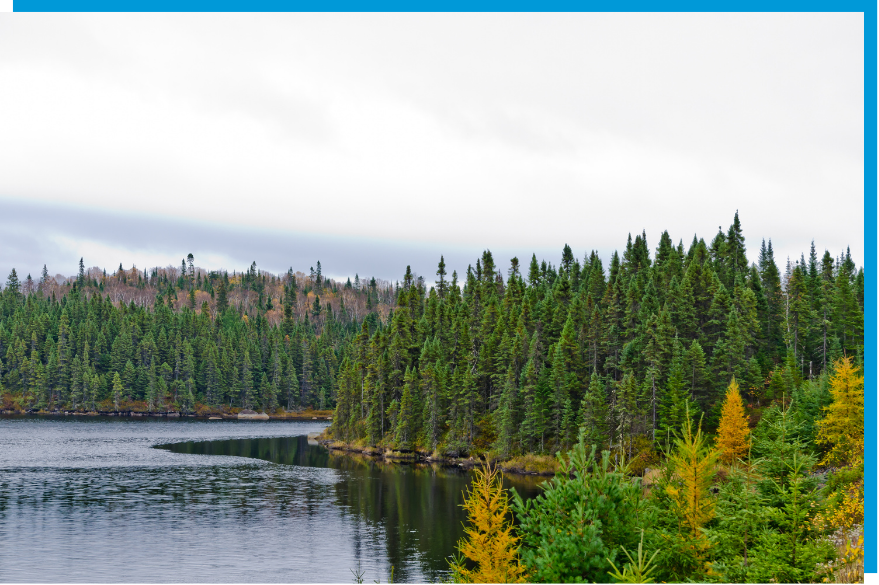
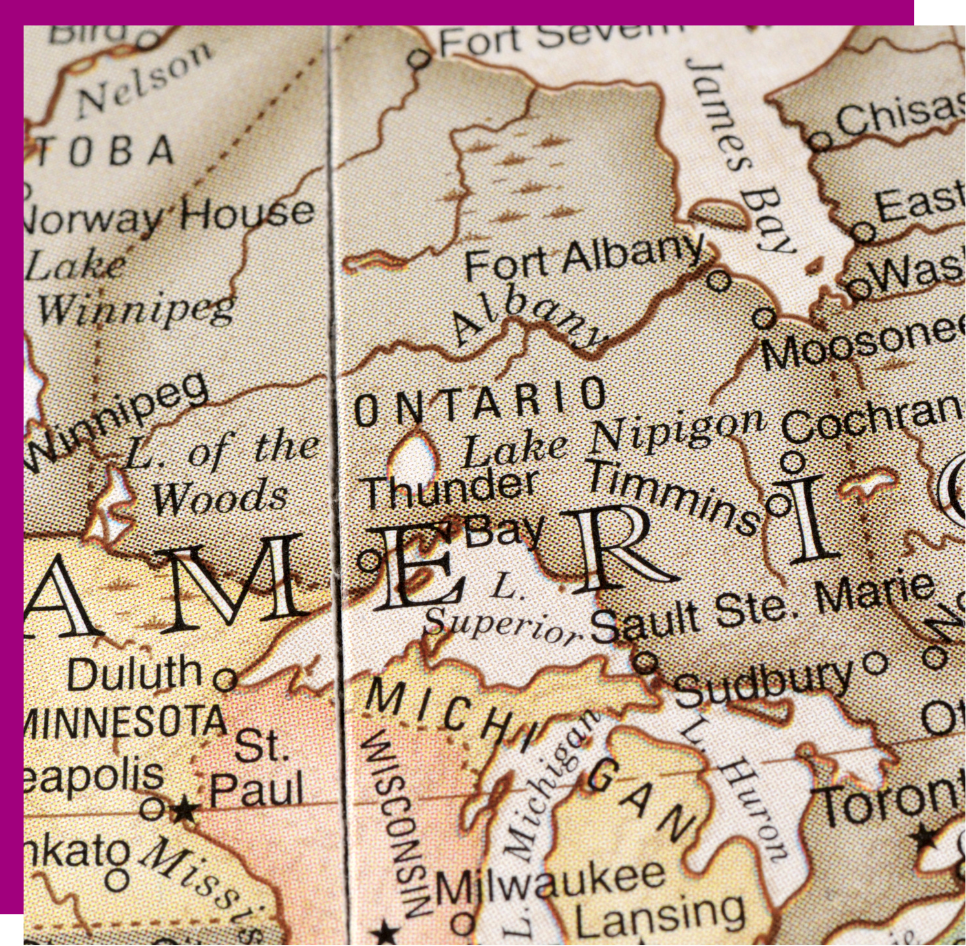
Josh’s life changed when he was diagnosed with cancer as a teenager, and it changed again when his family moved to the Northern town of Elliot Lake. The move took him six hours away from his friends, community, and medical care. Josh shared that it was difficult to make friends while also navigating the effects of his treatment as an older teenager. Although he was no longer on active treatment, he described the additional stress of having to travel back south to attend his follow-up appointments.
Attending university gave him a way to get back to his home community, but it came with new challenges, including navigating which supports and accommodations he needed to be academically successful. Josh expressed gratitude for his School and Work Transitions Counsellor, who validated his experiences and helped guide him through the system. While in school, he volunteered with the Brain Tumour Foundation of Canada and joined a local support group. Eventually, he started leading some of these groups. It was here that a professional suggested he look into the field of social work.
Although research was not what he originally envisioned for his life, he found himself enjoying the mandatory research class in his third year of his undergraduate degree. He got connected with the Canadian Association of Psychosocial Oncology. Around that time, he also began to struggle with the demands of his school placement. Unfortunately, the workload couldn’t be reduced to accommodate his needs. But hope returned when a professor invited him to join a research project to complete his placement credit. Josh has been involved in research ever since, and he shared that it allowed him the flexibility to work at his own pace.
“Together is the only way to make it better.”
Fast forward several years: Josh is now back in Northern Ontario, pursuing his PhD at Laurentian University. Two years in, he’s currently recruiting participants for his study, which explores the follow-up care experiences and evolving sense of identity among adult survivors of childhood cancer living in the North. Through this work, he hopes to highlight not just the challenges of accessing medical care, cancer-specific programs, and peer support—but also the limited awareness many survivors have of these services.
A key goal of Josh’s research is to help healthcare providers better understand the realities of survivorship in Northern Ontario, where geography, travel distances, and infrastructure can have a major impact on care and quality of life. Ultimately, he hopes his findings will improve support for the next generation of survivors.
Because this is a qualitative study, Josh is collecting stories—not numbers. He emphasized that he isn’t just tracking how many follow-up appointments someone attends. What makes his research special is the way it focuses on the full person. Josh wants to understand people’s day-to-day experience of wellness—mental, social, and emotional—as it relates to survivorship in the North.
Josh noted that young adulthood is often viewed as a time of health and freedom. But his cancer diagnosis complicated this stage of life. He spent his early adulthood attending medical appointments and learning to accept the changes to his brain and body that treatment had brought. Like many survivors, Josh said he struggled with self-esteem and identity. Connecting with other survivors—people who “get it”—helped him feel less alone and more anchored in community. He cited the first POGO conference he attended, as well as the S2S group, as especially meaningful. He also spoke to the unique experience of being diagnosed as a child versus as an adult.
Now, Josh hopes his research can help extend that sense of connection to other survivors living in the North. Whether it’s connection to people or to services, he wants to understand how survivors are taking care of their whole selves in adulthood—and where the gaps might be. Josh wants people to know that every story matters. Even if your experience feels small, it’s still a piece of the larger puzzle he’s trying to complete. And if you’ve ever done a puzzle, you know how important every last piece is.
By participating in Josh’s research, you can help complete the picture of what life is like for adult survivors of childhood cancer in Northern Ontario—including their experiences with aftercare—and contribute to improving long-term supports for future survivors.
If you’re interested in participating and live in Northern Ontario, Josh encourages you to email him directly at jmcgonegal1@laurentian.ca. The study involves signing a consent form and completing a virtual interview, which takes about an hour. Josh is happy to make accommodations to help ensure the interview is accessible and successful. As a thank-you, participants will receive an Amazon gift card. And as with any study, you’re free to withdraw at any time.
Being an adult survivor of childhood cancer is a unique experience, and living in Northern Ontario adds another layer to this. If you are eligible, please consider sharing your story with Josh so he can put together a picture of what aftercare looks like in this area.
As Josh states “Together is the only way to make it better.”

Counsellor, POGO Transitions Program