POGO

  • Staff List
  • Contact Us

Main menu

Skip to primary content
Skip to secondary content
  • About Us
    • Our Mission and Vision
    • Childhood Cancer Care Plan
    • POGO Recognition Awards
    • POGO Land Acknowledgement
    • Diversity, Equity, Inclusion
    • Our Board
    • Our Partners
    • Our Donors
    • Privacy
    • Accessibility
    • Reports
    • Newsroom
    • Job Opportunities
    • Senior Leadership Team
  • Programs & Support
    • Patient Care Programs
    • Financial Assistance
    • Survivor Care
    • Cancer Resources
    • Inspiring Stories
    • Clinical and Program Advisory Committees
  • Education
    • POGO Multidisciplinary Symposium on Childhood Cancer
    • POGO Virtual Education
    • POGO AfterCare Education Day
    • POGO Satellite Education Day
    • Resources to Support Indigenous Families
  • Healthcare Practice
    • Pediatric Oncology Nursing
    • Clinical Practice Guidelines
    • POGO Satellite Manual
    • Pediatric Palliative Care
  • Research & Data
    • 2020 POGO Surveillance Report
    • POGO Research Unit
    • POGO Databases
    • Data Reports
    • Data Requests
  • Get Involved
    • Pajamas and Pancakes
    • Birthday Parties for POGO
    • Events
    • Volunteer
  • Ways to Give
    • Donate
    • Monthly Donations
    • Gifts of Stock and Securities
    • Become a Corporate Partner
    • Gifts in Honour/Memory
    • Legacy Gifts
    • Shop Online/Earn Cash Back

Blog

POGO > Articles by: admin
[sharethis]

Author: admin


Post navigation

← Older posts
Newer posts →

Your baby has cancer

Posted on November 28, 2016 by admin

Anstead Family_2017 Wntr CCM Newsltr_28Nov16These four words are forever unforgettable. On May 26, 2015, my wife, Christine, and I had taken our 18-month-old daughter, Charlotte, to see a pediatrician at Grand River Hospital near our home. She was not herself—low energy and very pale. This was the third doctor’s visit that week and we were determined not to leave without answers. After a full morning of tests, Charlotte was diagnosed with acute lymphoblastic leukemia (ALL). We were brought to our knees. Shocked and scared, we learned her hemoglobin was at the dangerous level of 33 and we were rushed to Children’s Hospital in London for an emergency blood transfusion and the start of our cancer journey.

The next 16 days were filled with more transfusions, a surgery to implant her port, various procedures and the start of chemotherapy. We were introduced to doctors and nurses whom we’ve now come to think of as family, and we have learned as much as we could about this type of cancer and its treatment. The days were filled with procedures and the nights were mostly sleepless. It was an extremely difficult time but the silver lining was the care and respect we felt from every member of our medical team. As scared as we were, they gave us the strength to get through those days together as a family. We learned Charlotte’s treatment would span nearly two and a half years. It was at that point we decided Christine would leave her career to care for Charlotte full time. In a blink of an eye our lives turned upside down. We were terrified on many levels but we became quickly resigned to the start of this journey.

When it came time to be discharged, we were asked to stay in London to be close to the hospital until Charlotte had completed the induction stage of treatment. Leaving the security of the hospital was scary for us. We would no longer have a nurse on call to help answer questions or problem-solve at any time of the day or night.

On our last day we met Julie Dowler, our nurse case manager. Immediately we took to her kind and compassionate nature. Christine remembers their first email exchange that day. Julie told her, “Now we are family,” and she meant it. To this day, we still feel like we are her only patients. It was her support and reassurance that gave us the confidence to take the next step and leave the hospital that day.

While staying at my in-law’s home those next two weeks, we had a visit from Margaret Warden, our POGO Interlink Nurse. She helped to educate us further on leukemia as well as the role POGO would play in our lives. We learned about the generous POGO financial assistance available for childcare, food and accommodations, as well as information on the POGO Satellite Clinics. My wife and I had so many questions about what we could expect in the coming months and Margaret took her time to answer every one. Having her undivided attention in our home was comforting and we felt even more secure about Charlotte’s care.

We were counting down the minutes to the end of the induction phase. Charlotte had the full effects of the steroid treatment and in just a month our baby girl became almost unrecognizable. She was still only a baby and not able to communicate her needs or feelings. I remember she would clap her hands in frustration to get our attention. It was completely heartbreaking for our family.

At the end of induction, we were given permission to go home to Cambridge. Once home and settled, we started visiting the POGO Satellite Clinic at Grand River Hospital. It was such a relief to be able to get some of Charlotte’s treatments in our community. It meant I could go back to work and we could feel our lives starting to return somewhat to normal. Patti Bambury, our Satellite Nurse Coordinator, and one of Charlotte’s favourite people, takes great care of us. I’ve been impressed with the way the POGO Satellite Clinic communicates with our team at Children’s Hospital. We’ve never felt a disconnect in Charlotte’s care. Another thing we appreciate about Grand River Hospital is its small size. There are rarely more than a few families there for treatment at the same time so it tends to be a relaxed atmosphere. Christine and I have found comfort in connecting with the other parents while our children enjoy the play area. With only three main nurses, whom we’ve come to know very well, it feels very much like a family and this has gone a long way to improving Charlotte’s anxiety at clinic visits.

POGO opens 8th Satellite Clinic to Support Families in Peterborough area

Like all families on this journey, we’ve had our challenges to overcome. Charlotte’s first port developed a blood clot and she had to endure three months of twice daily blood thinner injections. Two other port surgeries and a PICC line were to follow. On top of this, there was a period of time where she would spit out her medication and we would have to practically hold her down to get her to take it. The worry and stress this cancer has caused in our lives has been insurmountable. My wife and I have both gone through our own stages of anxiety and depression at different times.

Trying to remain strong for Charlotte has been one of the hardest things I’ve ever had to do.

Now that we are nearly a year and a half into Charlotte’s treatment, we have learned how resilient and inspiring children are. Even on the bad days, there is always laughter. The life lessons I’ve learned from my two-year-old will carry me through the rest of my life.

Thank you POGO for your support, your financial assistance and for setting up the Satellite Clinics so families like mine can live more normal lives while still getting the care our children need.

Mike Anstead is the proud father of Charlotte.

“Charlotte  turned 5 years old in November 2018 and is thriving in Kindergarten!  Every medical follow up appointment finds her stronger and stronger and we are at the point where living with cancer is no longer a part of our daily lives. Life is wonderful, once again!”

– Mom Christine Sarlius, December 2018

Related Resources

Read The Childhood Cancer Care Plan to see how POGO is planning long-term to care for children like Charlotte.

Review The POGO Surveillance Report for the most recent 5-year data on trends in childhood cancer in Ontario.

Check out the presentations from Leukemia: Successes, Advances, Challenges, the theme of POGO’s 2016 Annual Multi-Disciplinary Symposium on Childhood Cancer.

Posted in Misc | Tagged 2016 Symposium, acute lymphoblastic leukemia (ALL), POGO Clinic, POGO Interlink Nurse, POGO Satellite Clinic

In Conversation with Dr. Paul Gibson

Posted on September 8, 2016 by admin

Dr. Paul Gibson3

As POGO’s Associate Medical Director, Dr. Gibson provides oversight for POGO’s seven Satellite Clinics including clinical practice and professional development training.  He also chairs POGO’s Technology and Therapeutic Advisory Committee (TAC) that works to ensure timely and equitable access to state-of-the-art cancer treatment to all children in Ontario.  Dr. Gibson was a member of the executive committee of the Provincial Pediatric Oncology Plan (PPOP), POGO’s long-range plan for childhood cancer care in Ontario. He is also a pediatric oncologist, and recently joined the team at McMaster Children’s Hospital in Hamilton.  He is also an Associate Professor of Pediatrics at McMaster University.

Q. What does Childhood Cancer Awareness Month (CCAM) mean for you?

Dr. Gibson: September is a time to celebrate collaboration. It’s a time to acknowledge the team efforts that lead to the remarkable outcomes in children’s cancer. It’s the families, the doctors, the nurses, the child life specialists, pharmacists, rehabilitation professionals, information coordinators, volunteers, tertiary hospitals and satellite centres. The saying is that it takes a village to raise a child. Well, it takes a province to care for families impacted by childhood cancer.

Q. What led you to pediatric oncology?

Dr. Gibson: As an undergraduate student, I worked as a counsellor at a variety of summer camps for kids with special needs and interacted with pediatric oncology patients and the dedicated professionals caring for them. It was here that my interest in oncology was sparked. I spent two summers in Alberta where I had the pleasure of working with Kids Cancer Camps of Alberta. Once in medical school, I was fortunate enough to be granted a studentship to spend the summer working with the pediatric oncology team at the Children’s Hospital of Eastern Ontario (CHEO). My experience there cemented my goal to become part of this world.  I was fortunate to train in pediatric oncology at SickKids and then spend 10 amazing years working as part of the team at Children’s Hospital in London.

Q. What aspects of your work bring you the greatest joy, challenge or sadness?

Dr. Gibson: When I tell people I work in childhood cancer, their first response tends to be, ‘It must be so sad.’ I always explain that while the bad days can be awful, the vast majority of days are filled with laughter, levity and team work. Day to day we see our patients enjoying the moment, playing with their families, nurses, child life specialists, therapeutic clowns and volunteers. The biggest challenge still lies in the fact that we don’t cure every patient. Our team is profoundly impacted by challenges such as relapses and patients we can’t cure. It’s important for us to lean on each other in those hard times.

Q. When and why did you become involved with POGO?

Dr. Gibson: I first became involved with POGO as a trainee at SickKids. I participated in the annual POGO symposiums and enjoyed being part of the collective provincial community. I also had the chance to be a presenter during the Satellite Education Days and learn more about the communities served. When I joined the team in London in 2010, I came to appreciate the important job POGO plays in ensuring excellence and equity in kids’ cancer care throughout the province.  POGO not only serves as the official advisor to the Ministry of Health, but also an important facilitator of collaboration and cooperation between professionals caring for children with cancer throughout Ontario.

Q. What mark do you want to make as POGO’s Associate Medical Director and as an oncologist?

Dr. Gibson: POGO’s successes over the past 30+ years have been built on the backs of dedicated volunteers and leaders. As the Associate Medical Director, I wish to make my mark by not only continuing the programs, relationships and advocacy of the past, but also to play a role in helping to usher in new therapies and technologies to improve childhood cancer outcomes for all patients in Ontario.

Q. If you could say one thing to the families and children in your career, what would that be?

Dr. Gibson: I would say, “Thank you!” It’s an incredible privilege to be ‘let in’ to their family dynamic at a time most would say is their worst. Not only do families allow us to work with them and care for their child, but so many also participate in research and clinical trials knowing that the knowledge we gain may never impact their child, but may improve the care and outcomes of countless children in the future.

Q. What would be your call to action to Ontarians for CCAM?

Dr. Gibson: Ontarians must make childhood cancer research a priority. While more children survive childhood cancer now than ever before, too many young lives are still lost every year. We must ensure Ontario children have access to clinical trials that will aim to improve outcomes and minimize long-term complications.  We must also ensure that we take our best efforts to care for those who survive but are left with immense health challenges and also those who will not be cured and deserve the same world- class care at the end of life.

Dr. Gibson graduated medical school from Queen’s University, Kingston, Ontario, in 2004 and started training in pediatrics at BC Children’s Hospital. He has practiced pediatric hematology and oncology exclusively since starting his subspecialty training at Sick Kids in 2007.

Dr. Gibson served as Physician Lead for the creation and implementation of a variety of computerized provider order entry efforts in Southwestern Ontario, both within and beyond oncology.  He has participated in a variety of research endeavours aimed at improving symptoms and quality of life in children and adolescents undergoing cancer therapy.  

Dr. Gibson is an avid sports and music fan and when he’s off duty attends Blue Jays’ and Toronto Leafs’ games, and supports independent musicians and festivals.

Posted in Misc | Tagged childhood cancer awareness month, Dr. Paul Gibson, Pediatric Oncology Group of Ontario, POGO

A Lifetime of Care for My Lifetime in Care

Posted on June 23, 2016 by admin
Myles Davis

Myles Davis

At four, I was diagnosed with stage 4 rhabdomyosarcoma, in my case a tumour the size of a baseball in the lower abdominal area near my bladder. At 20, I have lived almost my entire lifetime in cancer care. And alongside my parents, POGO, through its many programs and services, has been with me every step of the way. POGO teams have supported me through treatment, which included eight rounds of chemotherapy and a series of surgeries at the age of four. And now, 16 years later, as I manage the late effects that have developed as a result of my treatment, POGO AfterCare Clinics continue to support me.

Most people know that cancer treatment can be fairly aggressive, but what many don’t realize is that it can have serious side effects many years later. I continue to be monitored by oncology for second cancers. I need to see a cardiologist every six months because the toxic mix of drugs I was given has the potential to seriously lower my Ejection Fraction Index, which is the fraction of blood pumped out with every heartbeat. And I visit my internist annually because the surgeries that removed my tumour, also left a lot of scar tissue.

Until a few years ago, all of my follow-up care took place at SickKids where I was diagnosed and treated. When I turned 18, I graduated from the all-encompassing children’s hospital system, with its seamless management and coordination between departments, to the adult system (in most situations I am by far the youngest person in the waiting room!). While I have three new doctors spread across the city, luckily for me, and every childhood cancer survivor in Ontario, all of my follow-up care is still coordinated through a POGO AfterCare Clinic. So when my cardiologist wanted to change my medication, POGO teams were able to determine that it wouldn’t do any damage based on the treatment I had as a child. And when my internist wanted to do an exploratory procedure, POGO teams again intervened noting it could do more damage than good with the scar tissue that was built up over many surgeries.

As you can see from my personal story, childhood cancer requires a lifetime of follow-up care. I know POGO will be there for me over the next 20 years, 20 more after that and counting. Without the seamless care of POGO’s AfterCare Clinics, and survivor care programs, many young cancer survivors would fall through the cracks.

Posted in Misc | Tagged AfterCare

Eloise’s Story

Posted on April 7, 2016 by admin

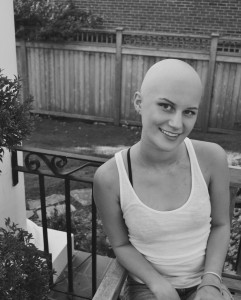
Post_Eloise McIntosh_2016 Spring CCM NewsletterMy name is Eloise McIntosh. I am 16 years old and two years ago, over the summer between grade 9 and grade 10, I was diagnosed with stage IIb Hodgkin lymphoma.

It started when I was on a youth adventure trip in Hawaii. Three weeks in, I got sick on a 12-mile hike to our camping destination. When I was still sick a week later, the doctors in Toronto tested for infectious diseases and the mono virus. I also had a chest x-ray to test for pneumonia. That is when they discovered it: a mass in my esophagus right near my trachea.

There are all kinds of terrifying things about getting a childhood cancer diagnosis. I had never even spent time in a hospital before and I had to have surgery right away. Chemotherapy was the worst experience of my life. They put me on steroids which caused my face to get fat and I felt angry all of the time. And when they told me that I would have to meet with a fertility specialist, that definitely freaked me out.

But there are also the trials and tribulations that come with being 14 years old. I was worried about my social life and missing out on my high school experience. As a teenage girl, the thought of losing my hair was obviously a huge concern for me. In fact, I did lose all of my hair… and my eyebrows and eyelashes. My leg hair completely fell out. I felt naked and unprotected. My wig became, and still is, part of my ability to feel somewhat normal, but probably the biggest contributor to my emotional well-being was how supported I was by my friends and family.

Both my parents and my younger brother and sister were around me all of the time. My aunts, uncles and cousins visited often and they became “my posse.” And at least one of my friends from school was with me during every chemotherapy treatment. I never felt alone and I realize how lucky I was. Many families need to travel for treatment—to Toronto, Ottawa or one of the five big cities with a major children’s hospital. I saw lots of kids in treatment with just one parent sitting beside them while the other was far away. Young kids and teenagers separated from their friends and siblings. I’m sure it was a very isolating experience for them.

That is why I agreed to be the keynote speaker at the upcoming POGO gala to benefit kids with cancer. Funds raised will support POGO’s mission to ensure all children with cancer, and their families, have equal access to the best care—no matter where in Ontario they live.

I hope to meet you all at the event on May 7th, taking place at the Liberty Grand Entertainment Complex in Toronto (you can find out more here: www.pogo.ca/gala). If you cannot make it, I hope you will consider showing your support by making a donation to my campaign to support families.

Thank you so much!

Sincerely,
Eloise

Eloise McIntosh made this speech at the POGO Gala in 2016. She is now the co-founder of The Good Hood Club, a loungewear company dedicated to championing childhood cancer, most notably through donating 50% of its profits to pediatric oncology initiatives.

Posted in Misc

Government of Canada increases duration of Employment Insurance compassionate care benefit

Posted on January 20, 2016 by admin
Claimants can now collect up to 26 weeks of benefits, up from 6 weeks.

Excerpted from Government of Canada Press Release

January 4, 2016 – The Honourable MaryAnn Mihychuk, Minister of Employment, Workforce Development and Labour, today highlighted  the coming into force of a previously announced increase in the duration of the Employment Insurance (EI) compassionate care benefit, which will provide additional financial security to Canadian workers and their families in times of need.

The Minister also said today that the Government will work towards providing more generous leave for caregivers in the future. The Government has committed to making the compassionate care benefit more flexible, easier to access and more inclusive, she said.

Compassionate care benefits provide temporary income support to eligible individuals who must be away from work to provide care for a gravely ill family member at risk of death.

Effective January 3, 2016, the enhanced benefit, announced in 2015, allows claimants to collect up to 26 weeks of benefits, up from the current 6 weeks. Further, the period during which benefits can be taken is expanded to 52 weeks (up from 26 weeks). Benefits can be shared between family members.

Eligibility for compassionate care benefits remains the same, including the requirement for a medical certificate signed by a doctor attesting to the family member’s condition.

Corresponding changes to the Canada Labour Code will come into force at the same time to ensure that the jobs of employees in federally regulated enterprises remain protected while they avail themselves of compassionate care benefits under the EI program.


Related Topics

  • Learn about the financial assistance POGO provides to families
  • Visit Service Canada to get the most up to date information about Employment Insurance compassionate care benefits
Posted in In the News | Tagged compassionate care, employment insurance, financial assistance, money matters, pofap

Post navigation

← Older posts
Newer posts →

Donate

Blog

Education Portal
Survivor Conference
All Categories

Categories

Newsletter Sign-Up

  Please leave this field empty
  

@POGO4Kids

Twitter feed is not available at the moment.

Follow @POGO4Kids

Quick Links

  • For Professionals
    • Read Cancer Care Plan
    • Review our Guidelines
    • Request Research Data
  • Families & Kids
    • Get POGO AfterCare
    • Connect with a POGO Nurse
    • Get Care Closer to Home
  • For Survivors
    • Find Local Resources
    • Set Goals for your Future
    • Educate Yourself
  • Get Involved
    • Host an Event for POGO
    • Volunteer with POGO
    • Partner with POGO
  • About Us
    • Our Mission and Vision
    • Childhood Cancer Care Plan
    • POGO Recognition Awards
    • POGO Land Acknowledgement
    • Diversity, Equity, Inclusion
    • Our Board
    • Our Partners
    • Our Donors
    • Privacy
    • Accessibility
    • Reports
    • Newsroom
    • Job Opportunities
    • Senior Leadership Team
  • Programs & Support
    • Patient Care Programs
    • Financial Assistance
    • Survivor Care
    • Cancer Resources
    • Inspiring Stories
    • Clinical and Program Advisory Committees
  • Education
    • POGO Multidisciplinary Symposium on Childhood Cancer
    • POGO Virtual Education
    • POGO AfterCare Education Day
    • POGO Satellite Education Day
    • Resources to Support Indigenous Families
  • Healthcare Practice
    • Pediatric Oncology Nursing
    • Clinical Practice Guidelines
    • POGO Satellite Manual
    • Pediatric Palliative Care
  • Research & Data
    • 2020 POGO Surveillance Report
    • POGO Research Unit
    • POGO Databases
    • Data Reports
    • Data Requests
  • Get Involved
    • Pajamas and Pancakes
    • Birthday Parties for POGO
    • Events
    • Volunteer
  • Ways to Give
    • Donate
    • Monthly Donations
    • Gifts of Stock and Securities
    • Become a Corporate Partner
    • Gifts in Honour/Memory
    • Legacy Gifts
    • Shop Online/Earn Cash Back

©2022 Pediatric Oncology Group of Ontario

480 University Avenue, Suite 1014 | Toronto, Ontario, M5G 1V2, Canada | Charitable Registration Number: 871067245RR0001 |
1-855-FOR POGO (367-7646) | Contact Us | Website Privacy Policy | Website Disclaimer | Satellite Manual Disclaimer |